Matrimonial law · Mutual consent divorce
We both agree to divorce. Do we still have to wait 6 months?
By Raadhika Gupta · LinkedIn · Published · 5 min read
Both spouses agree to a mutual-consent divorce. Does that mean they can skip the six-month waiting period? Not automatically.
In a recent matter involving a Pune couple, the Bombay High Court set aside a Family Court order that had refused their request for a waiver after raising a financial issue neither spouse had disputed. The decision turned on that case’s circumstances. It does not guarantee a waiver in every mutual-consent divorce.
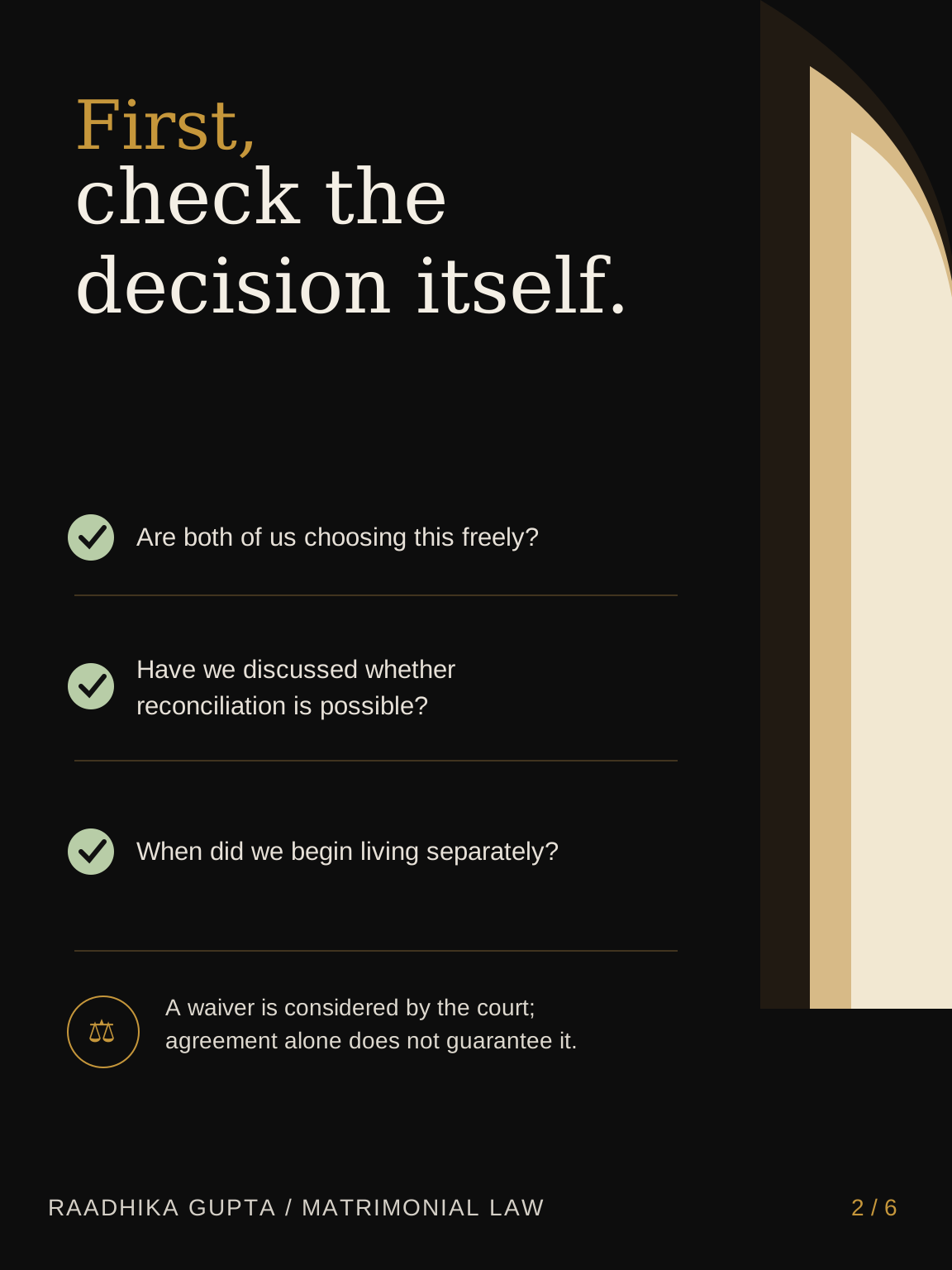
First, check the decision itself
A joint decision to seek divorce is important, but a request to waive the waiting period is still considered by the court. Before asking for a waiver, it helps to be clear about the basics:
- Are both spouses choosing the divorce freely?
- Have attempts at reconciliation already been made and failed?
- When did the spouses begin living separately?
Agreement alone does not guarantee a waiver. The court considers the facts and the legal requirements in the particular case.
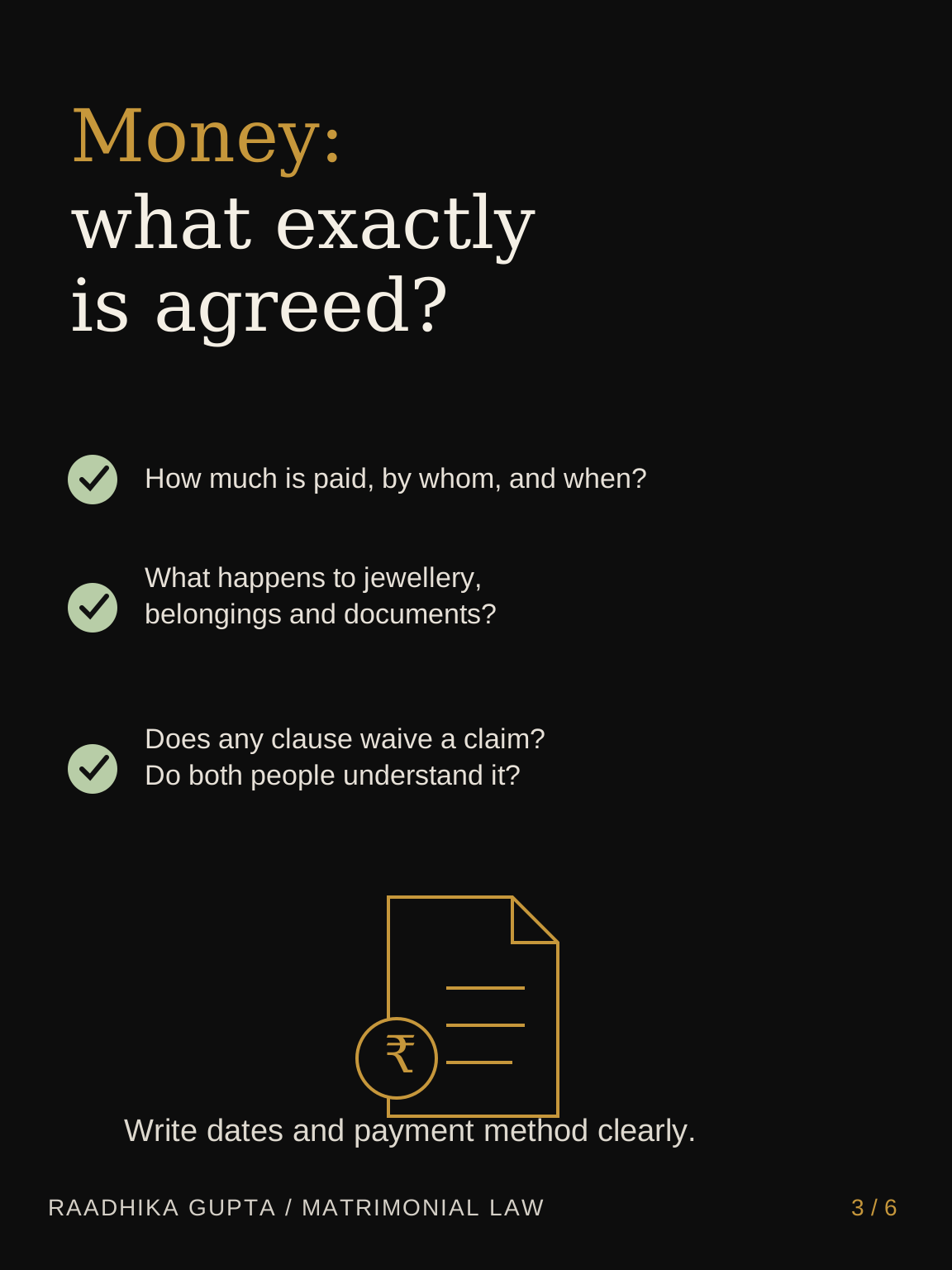
Money and belongings: what exactly is agreed?
A settlement should be specific enough that neither person has to guess what happens after signing it.
- How much is being paid, by whom, on what date and through which mode?
- What happens to jewellery, personal belongings and documents?
- Does any clause waive maintenance or another present or future claim? Do both people understand the wording?
- Are the payment and handover dates written clearly?
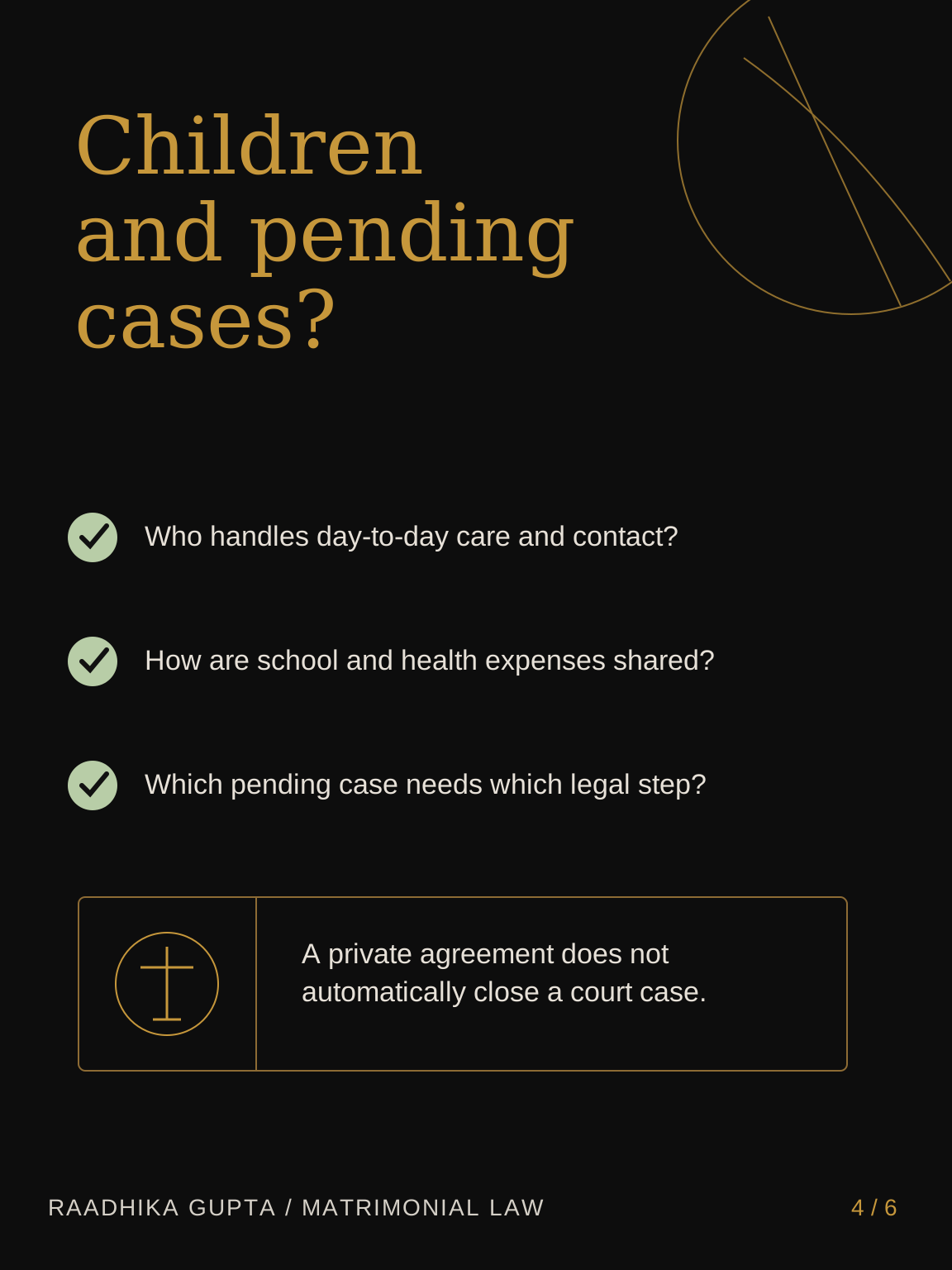
Children and pending cases
If children or other proceedings are involved, a mutual-consent petition does not make those questions disappear.
- Who will handle day-to-day care and contact with the child?
- How will school, healthcare and other child-related expenses be shared?
- Which pending complaint or court case requires which legal step?
A private settlement does not automatically close a court case or complaint. The correct legal step for each pending matter should be checked separately.
What did the recent Bombay High Court ruling say?
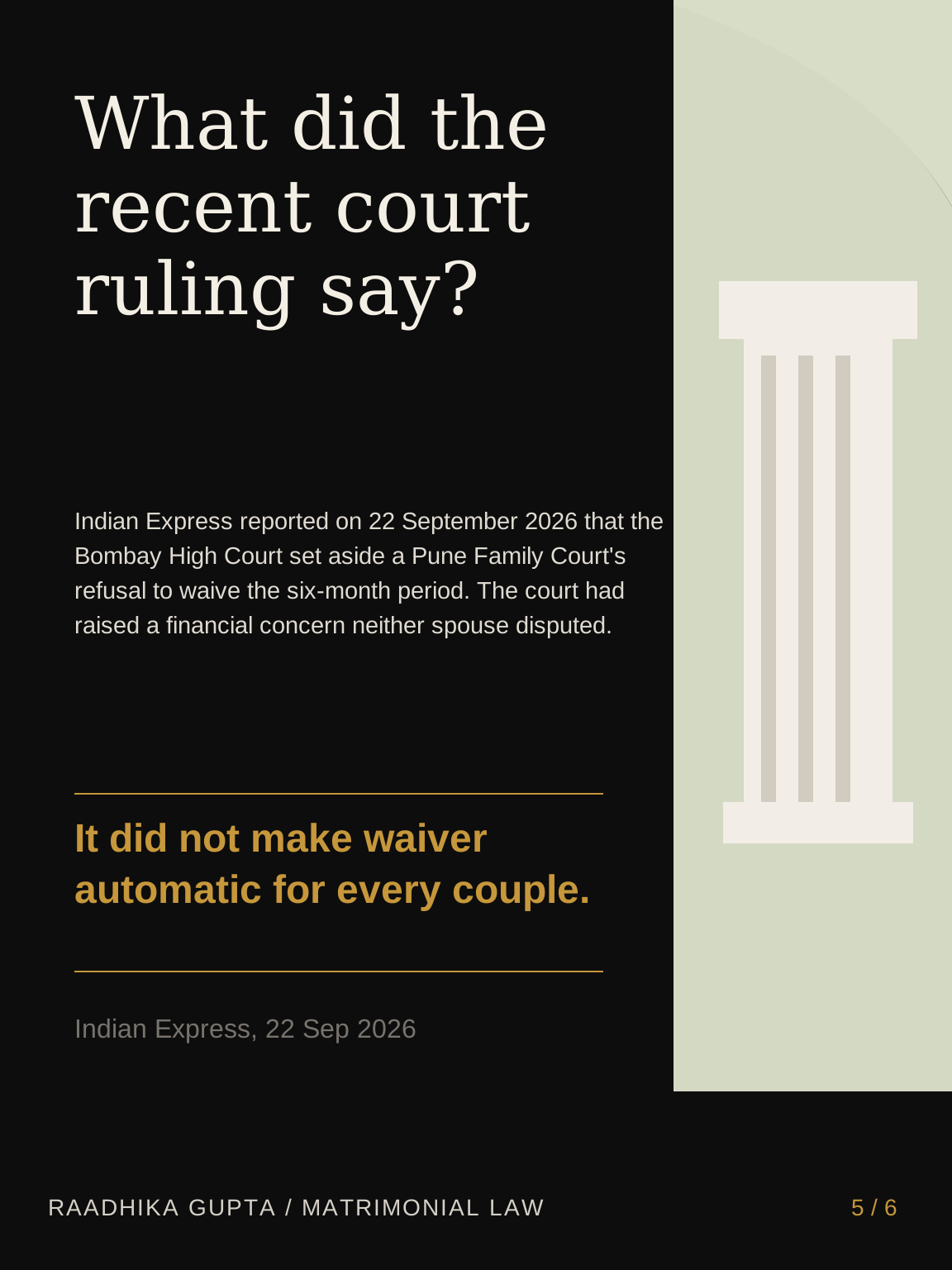
The Indian Express reported on 22 September 2026 that the Bombay High Court set aside a Pune Family Court order refusing to waive the six-month period. The High Court’s order was dated 7 September 2026.
The spouses had filed a joint petition under Section 13B of the Hindu Marriage Act and had been living separately for more than 18 months. The Family Court had raised a concern about the financial settlement even though neither spouse disputed it. The High Court held that, in those circumstances, the Family Court should not have introduced that objection on its own and rejected the waiver on that basis.
The ruling did not make the six-month waiver automatic for every couple.
The Supreme Court’s decision in Amardeep Singh v. Harveen Kaur explains that the six-month period under Section 13B(2) can be waived in appropriate cases. Whether it should be waived depends on the circumstances and the court’s satisfaction.
Read the Indian Express report on the Bombay High Court ruling.
A checklist before asking about a waiver
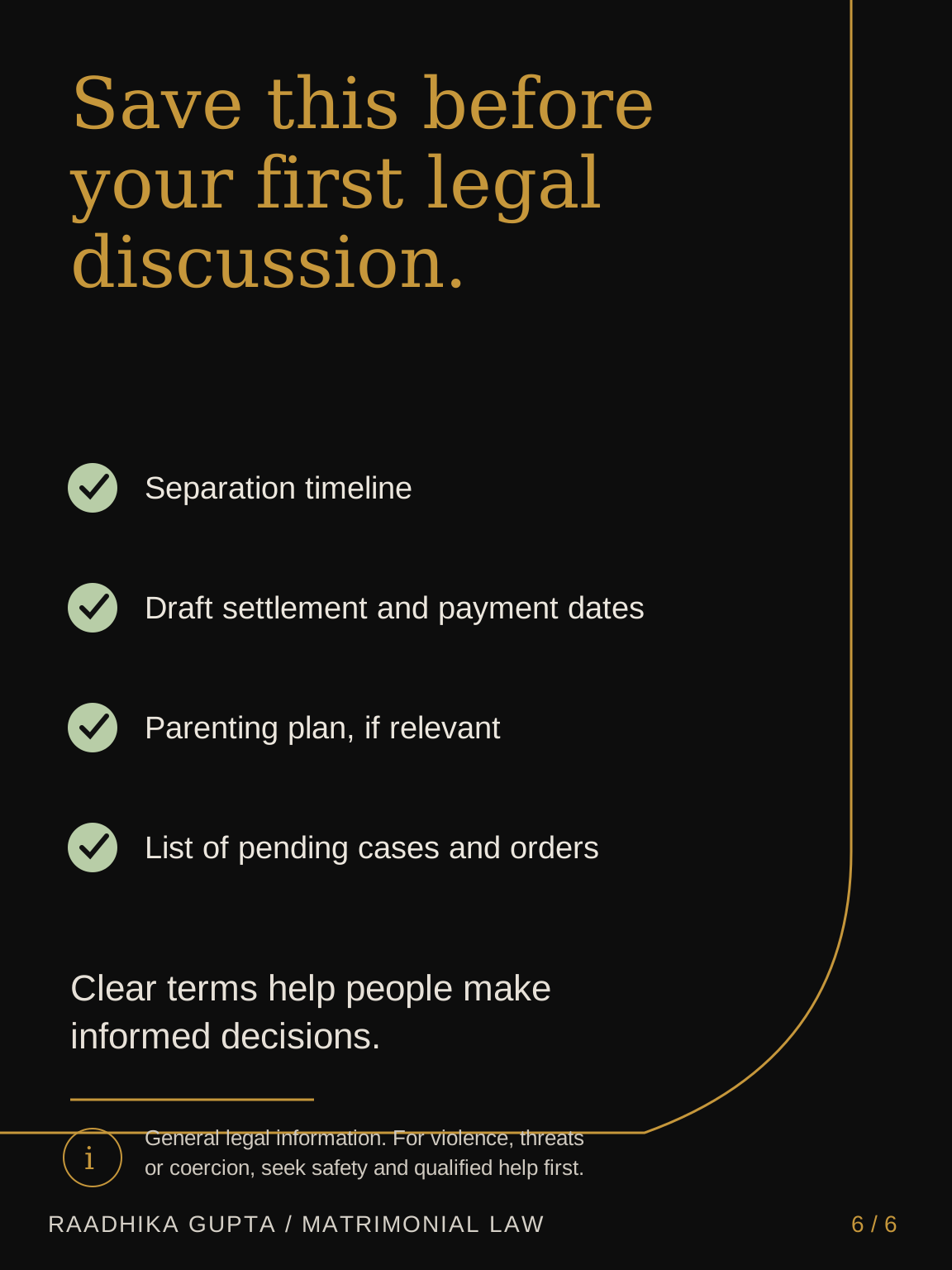
- Keep the separation timeline ready.
- Review the draft settlement and payment dates.
- Prepare a parenting plan, if children are involved.
- List all pending cases, complaints and orders.
- Make sure the decision and settlement are voluntary and understood by both spouses.
When individual legal advice matters
If the settlement wording is unclear, a financial term is disputed, there are children or multiple proceedings, or either person feels pressured, individual legal advice is important before signing or asking the court for a waiver. Seek timely advice from a qualified lawyer about your own circumstances.
Note: General legal information, not advice on an individual matter or a prediction that a waiver will be granted. The applicable law, facts, settlement terms and existing court orders can change the answer. For violence, threats or coercion, prioritise safety and seek qualified help first.